
As I lay in bed this morning, instead of music, I Sunday-morning-indulged and listened to an 'In Our Time' podcast I had downloaded a week or so ago - on The Dissolution of the Monasteries. It is still 'listenable-on-line' by clicking on the link - it is a showcase of clarity and excellence in discussion.
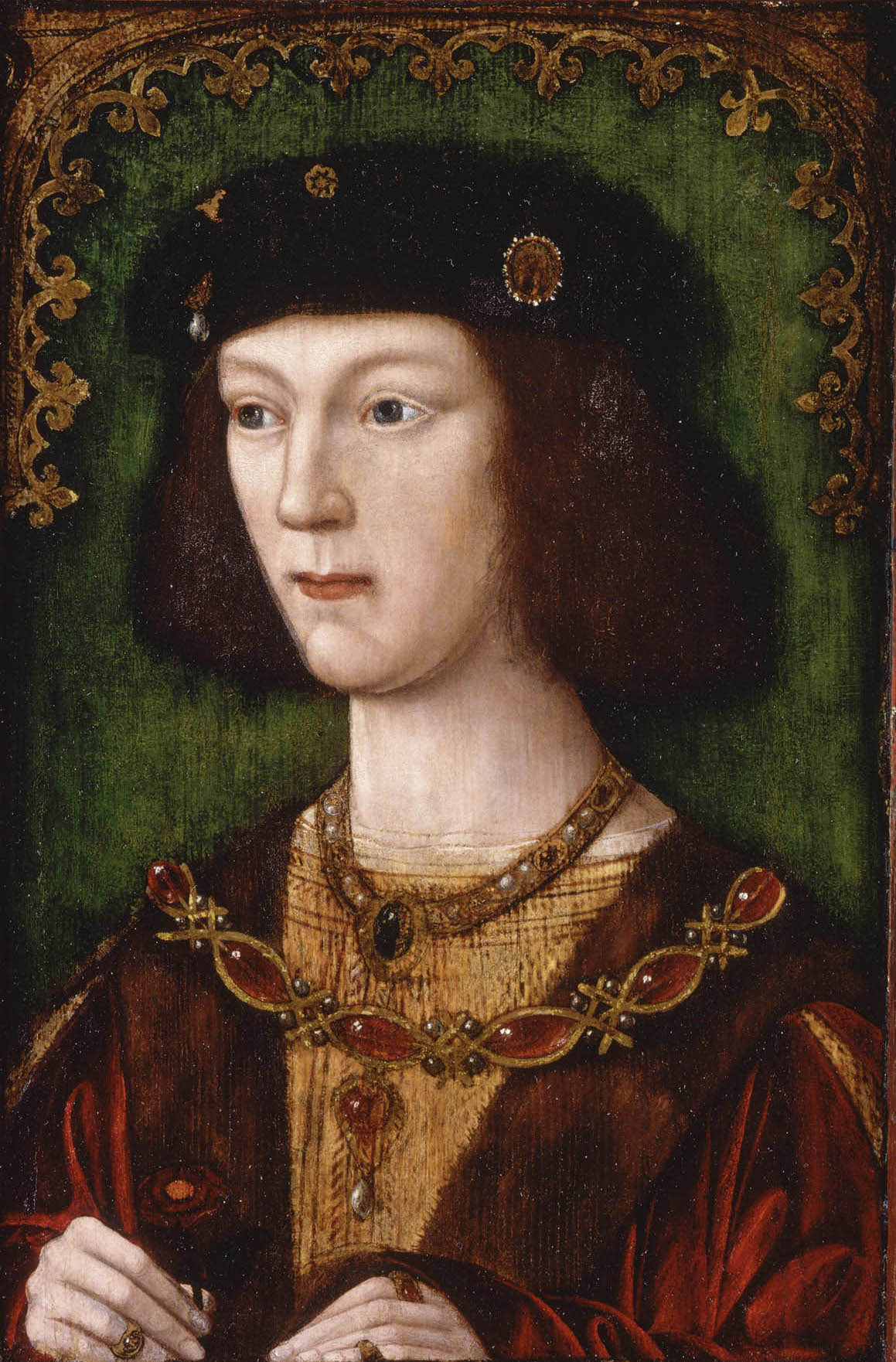
Not quite Shakespeare's time - although much closer than people realise: Counting history in terms of Kings and Queens sometimes lends a distance which shouldn't be there: The time between Fat Henry's theft and Shakespeare's Elizabethan birth is much shorter than one would think.
What I found fascinating at first were the parallels with modern Romania and the 'Dissolution of Communism'.
The monasteries had an apparent function associated with belief - they percolated into all aspects of community and into many people's individual lives. Economically they had a powerful control over vast resources (up to one third of the land of England was theirs).
No surprise then that there was a sense of loss at the dismemberment of the system resulting in a public outcry from one section of the community (The Pilgrimage of Grace). This was echoed after the fall of communism in Romania, not least amongst those economic elements which had been subsidised and supported under the old system.
Importantly, there was a lot of support for the change - not least from within the system itself - Erasmus was a good Catholic - and, however later historians and partisan fighters might colour the change, it seems there was already a movement away from monasticism - it was a system waiting to fall.
But I don't want to focus on the causes - it is the aftershocks and their immediate consequences which interest me.
Education changed - schools became more significant: Habergham High, Burnley, where I worked when Romania had its recent revolution, was founded as a small town grammar school in this period; The Shakespeare School, Timisoara where I first worked in Romania, was founded immediately after communism fell.
Shakespeare himself most likely benefited from this educational boom - his wife not.
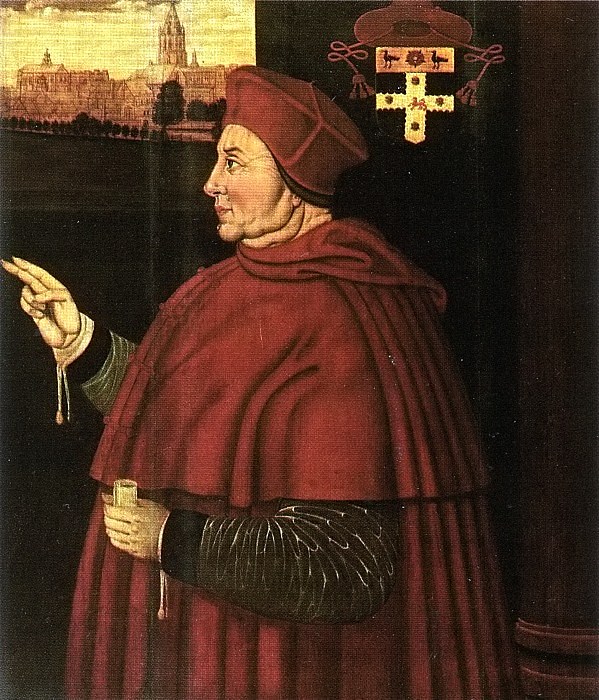
What has come with the loss of the certainties of communism is an open questioning and the growth of alternatives - something similar must have occurred after the monasteries fell. Prayer and 'the certainty of salvation' proved rather ineffective against the legality of Cromwell (Fat Henry's man); Relics proved to be just that - old and dated.
Surely we find this questioning in the plays? Not, I suggest, as a direct link - but as the ripple still travelling across the pond minutes after the fish jumped in the evening twilight.
And the economic shifts that occurred - the enrichment of the middle sort, the need for poor laws, issues of land ownership - all colour the texts acted in the globe.
It makes me hopeful for Romania - although I doubt whether we will produce another Shakespeare (sorry Tudor).
Technorati Tags: Shakespeare, BBC, Timisoara
Not quite Shakespeare's time - although much closer than people realise: Counting history in terms of Kings and Queens sometimes lends a distance which shouldn't be there: The time between Fat Henry's theft and Shakespeare's Elizabethan birth is much shorter than one would think.
What I found fascinating at first were the parallels with modern Romania and the 'Dissolution of Communism'.
The monasteries had an apparent function associated with belief - they percolated into all aspects of community and into many people's individual lives. Economically they had a powerful control over vast resources (up to one third of the land of England was theirs).
No surprise then that there was a sense of loss at the dismemberment of the system resulting in a public outcry from one section of the community (The Pilgrimage of Grace). This was echoed after the fall of communism in Romania, not least amongst those economic elements which had been subsidised and supported under the old system.
Importantly, there was a lot of support for the change - not least from within the system itself - Erasmus was a good Catholic - and, however later historians and partisan fighters might colour the change, it seems there was already a movement away from monasticism - it was a system waiting to fall.
But I don't want to focus on the causes - it is the aftershocks and their immediate consequences which interest me.
Education changed - schools became more significant: Habergham High, Burnley, where I worked when Romania had its recent revolution, was founded as a small town grammar school in this period; The Shakespeare School, Timisoara where I first worked in Romania, was founded immediately after communism fell.
Shakespeare himself most likely benefited from this educational boom - his wife not.
What has come with the loss of the certainties of communism is an open questioning and the growth of alternatives - something similar must have occurred after the monasteries fell. Prayer and 'the certainty of salvation' proved rather ineffective against the legality of Cromwell (Fat Henry's man); Relics proved to be just that - old and dated.
Surely we find this questioning in the plays? Not, I suggest, as a direct link - but as the ripple still travelling across the pond minutes after the fish jumped in the evening twilight.
And the economic shifts that occurred - the enrichment of the middle sort, the need for poor laws, issues of land ownership - all colour the texts acted in the globe.
It makes me hopeful for Romania - although I doubt whether we will produce another Shakespeare (sorry Tudor).
Technorati Tags: Shakespeare, BBC, Timisoara




 Posts
Posts

